SASSA Grant-in-Aid 2026: How Much, Who Qualifies and How to Apply
Published 02 November 2026
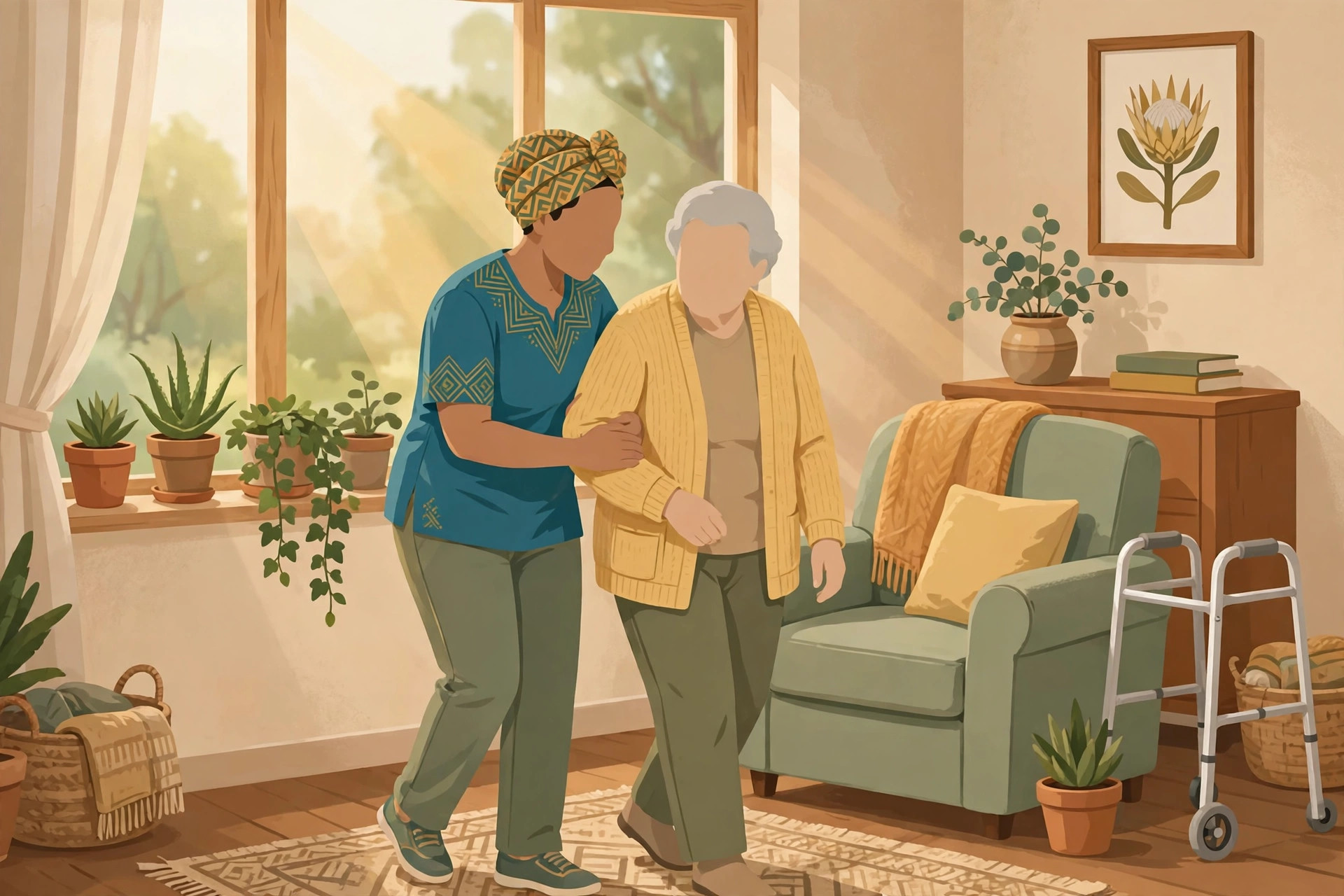
The grant-in-aid is different from every other grant in this series: it is not a grant on its own, but an additional grant paid on top of a main grant you already receive. If you already get a disability grant, a war veteran's grant or a grant for older persons, but because of your physical or mental disability you cannot look after yourself and need full-time care from another person, the grant-in-aid pays you an extra R580 per month — money meant to pay the person who takes full-time care of you. It is paid together with your social grant, applying is free, and if your application is approved, you will be paid from the date on which you applied. This guide covers how much it pays in 2026, who qualifies, the medical report you need, the documents to bring, and how to apply.
How Much Is the Grant-in-Aid in 2026?
The grant-in-aid pays R580 per month — the amount published on the official gov.za service page for this grant. It is an extra amount added to your main grant, not a replacement for it: your older persons, disability or war veteran's grant continues as before, and the R580 is paid together with it. Grant amounts are increased from time to time by government announcement, so confirm the latest amount on official SASSA channels before relying on this figure.
Do not confuse this grant with the care dependency grant. That grant is paid to the caregiver of a child with a severe disability. The grant-in-aid works the other way round: you are the adult grant recipient, you are the one who needs the care, and the add-on is paid to you so that you can pay the person who cares for you.
Who Qualifies?
The official rules are short, and every one of them must be met. You must:
- Already get a disability grant, a war veteran's grant or a grant for older persons.
- Not be able to look after yourself owing to your physical or mental disability, and therefore need full-time care from someone else.
- Not be cared for in an institution that receives a subsidy from the government for your care or housing.
Note who applies: the grant-in-aid is applied for by you, the main grant's beneficiary — not by your carer. It is your grant, added to your main grant, for the purpose of paying the person who takes full-time care of you.
An Add-On Grant: It Rides on Your Main Grant
Everything about this grant follows from one word in its official description: additional. The grant-in-aid cannot be applied for first and matched to a main grant later — the official rule is that you must already get one of the three named grants before the add-on can attach to it.
The three qualifying main grants are the grant for older persons, the disability grant and the war veteran's grant. No other grant opens the door. In particular, the SRD grant is not on the official list — if the R370 SRD grant is the only grant you receive, you cannot attach a grant-in-aid to it, however much care you need. The same applies to the children's grants: they are paid for a child's care, while this add-on attaches to an adult beneficiary's own grant.
Once approved, the add-on lives with the main grant. It is paid together with your social grant — same payment, same day, same method — and, as the reviews section below explains, it may be reviewed when the social grant to which it is attached is reviewed. Keep the main grant in good standing and the add-on follows it.
The Medical Report: Proof That You Need Full-Time Care
The second leg of this grant is proof. Among the documents you must bring is a medical report or assessment report — less than three months old — that shows that you need full-time care. A report that merely confirms a diagnosis is not what is asked for: the report must show the need for full-time care, because that need is the qualifying condition itself — that, owing to your physical or mental disability, you cannot look after yourself.
The three-month freshness rule is strict on the face of the official page, so check the date on your report before you travel to the SASSA office. If your report is older than three months, arrange a fresh assessment first — an out-of-date report is a document problem you can fix before you apply, instead of a reason for your application to fail. And keep the purpose of the money in view: the grant-in-aid exists to pay the person who takes full-time care of you. It is paid to you, but it is care money.
Is There a Means Test?
For this grant, the official gov.za page publishes no income limits and no asset limits of its own — there is no separate means test listed for the grant-in-aid. Your qualification turns on the three rules above: a qualifying main grant already in payment, a proven need for full-time care, and not being cared for in a government-subsidised institution. If an unofficial website quotes income thresholds for the grant-in-aid itself, it is mixing this add-on up with the main grants, which carry their own rules.
Grant-in-Aid has no means test of its own - it simply tops up a grant you already receive. But that main grant does have a means test, and you can check its limits any time in our SASSA Means Test Checker.
Documents You Need
Take the following to the SASSA office when you apply:
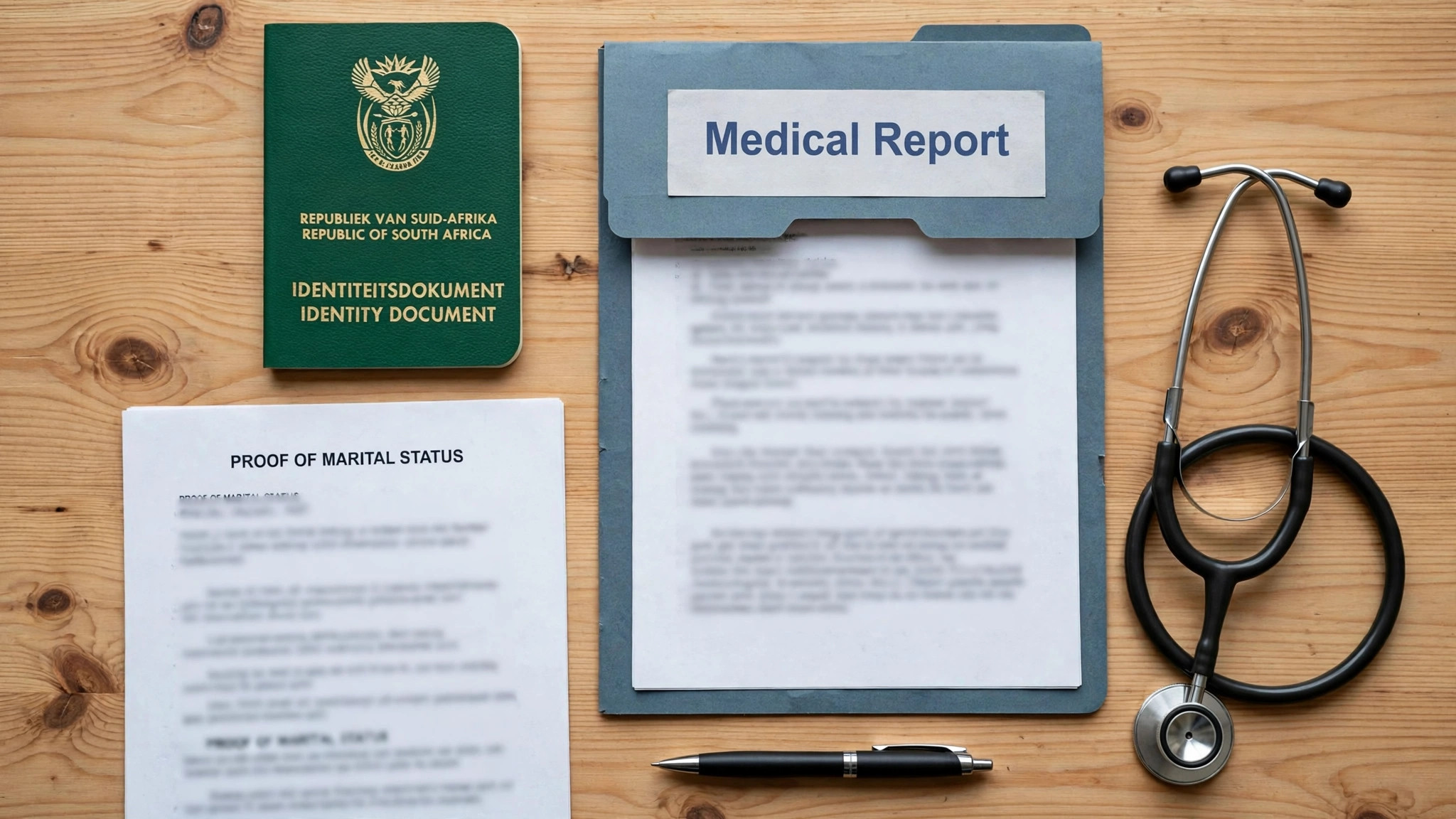
- Your 13-digit bar-coded identity document (ID).
- Proof of your marital status and your spouse's identity, where applicable.
- A medical report or assessment report (less than three months old) that shows that you need full-time care — the decisive document for this grant.
If you are too old or sick to travel to the office to apply: a family member or friend can apply on your behalf. That person should take a letter from you and/or a doctor's note saying why you cannot visit the office. For a grant whose whole purpose is caring for people who cannot look after themselves, this provision matters — use it rather than struggling to travel.
How to Apply Step by Step
The application is made in person at a SASSA office — the application form is not available online, but you can get it from your nearest SASSA office. The process works like this:
- Go to the SASSA office nearest to where you live, with all the documents listed above — including the medical or assessment report that is less than three months old.
- Complete the application form in the presence of the SASSA officer. Only you as the beneficiary, or a SASSA official, can complete the application form.
- The officer will interview you and tell you if you qualify for the grant.
- Keep the receipt you are given — it is your proof that you applied.
- Wait for the outcome. It may take up to three months to process your application.
If your application is approved, you will be paid from the date on which you applied — so applying promptly once you have a fresh medical report protects your earlier months. The service is free. Nobody may charge you a fee to apply — if someone asks for payment, walk away and go directly to a SASSA office.
How and When You Will Be Paid
SASSA pays the grant to you through one of the following methods:
- Cash at a specific pay point on a particular day.
- Electronic deposit into your bank or Postbank account. (Your bank may charge you for the service.)
- An institution acting as administrator of the grant, such as a welfare organisation.
The grant-in-aid will be paid together with your social grant — it is not a separate payment on a separate day. It arrives with the main grant it is attached to, through the same method, which means it follows your main grant's place in the monthly order — older persons grants are paid first, then disability grants, then children's grants. Exact dates are announced through official channels ahead of each month — check the announcement or our SASSA payment dates guide rather than relying on last month's dates. There is no need to rush to withdraw on the first day — money in your account stays there.
If you are unable to collect the money yourself, you can appoint a procurator at the SASSA office, or give someone power of attorney to collect the grant on your behalf.

Reviews, Suspension and When the Grant Lapses
This add-on's official review rule is a single sentence: your grant may be reviewed when the social grant to which it is attached is reviewed. There is no separate review calendar for the grant-in-aid — it is examined together with the main grant it rides on.
The official page for this grant does not publish a suspension and lapse list of its own, the way the main grants' pages do — and this guide will not invent one. What follows from the structure the page does describe is plain enough: the grant-in-aid is attached to your main grant, paid together with it and reviewed with it, so its standing follows the main grant's standing. Whatever your main grant requires to stay in good standing protects the add-on too — co-operate with reviews of the main grant, and keep SASSA informed through the main grant's channels. And the care need is this grant's reason to exist: the medical position behind your application is part of what a review of the combined grant looks at, so keep your assessment documents safe.
Why Applications Are Declined — and How to Appeal
Most unsuccessful applications fail on the basic rules above:
- No qualifying main grant: you do not already receive a disability grant, a war veteran's grant or a grant for older persons — an SRD grant alone does not qualify.
- No valid medical report: the report is missing, older than three months, or does not show that you need full-time care.
- Subsidised institution: you are cared for in an institution that receives a government subsidy for your care or housing.
- Documents: your ID, or proof of marital status and your spouse's identity where applicable, is missing.
If your application is not approved, SASSA will inform you in writing why your application was unsuccessful. Read that letter carefully — it tells you which rule you failed, and sometimes the problem is a fixable document issue, such as a medical report that has aged past three months. Also read our guide on why SASSA grants are declined and how to fix it.
If you disagree with the decision, you can appeal to the Minister of Social Development. The appeal must be lodged within 90 days of being notified that your application was unsuccessful — do not let that deadline pass.
Frequently Asked Questions
1. How much is the grant-in-aid per month in 2026?
R580 per month, according to the official gov.za service page — paid on top of your main grant, and paid together with it.
2. Can I apply for the grant-in-aid on its own, or on top of the SRD grant?
No. You must already get a disability grant, a war veteran's grant or a grant for older persons. The SRD grant is not on the official list, and the grant-in-aid cannot be applied for as a standalone grant.
3. Is there a means test for the grant-in-aid?
The official gov.za page publishes no income or asset limits for this grant. Qualification turns on the qualifying main grant, the proven need for full-time care, and not being cared for in a government-subsidised institution.
4. How old may my medical report be?
It must be less than three months old, and it must show that you need full-time care. If yours is older, get a fresh medical or assessment report before you apply.
5. How long does it take, and from when am I paid?
Processing may take up to three months. If approved, you are paid from the date on which you applied. Applying is free — keep your receipt as proof.
6. I am too sick to travel to the SASSA office. Can someone apply for me?
Yes. If you are too old or sick to travel to the office, a family member or friend can apply on your behalf, taking a letter from you and/or a doctor's note saying why you cannot visit the office.
7. When will my grant-in-aid be reviewed?
It may be reviewed when the social grant to which it is attached is reviewed — there is no separate review cycle for the add-on. It is paid together with your main grant and follows that grant's standing.
Conclusion
The grant-in-aid — R580 a month — is the add-on for a grant recipient who cannot look after themselves: if you already receive an older persons, disability or war veteran's grant and you need full-time care because of a physical or mental disability, this grant helps you pay the person who cares for you. Get a medical report less than three months old that shows the need for full-time care, apply in person at your nearest SASSA office with your ID and marital documents, keep your receipt, and remember that approval pays you from the date you applied. For how all the grants fit together, see our complete index of SASSA grants and SRD guides.
Disclaimer: Payment dates and amounts change — always confirm on the official site sassa.gov.za.
Related SASSA Guides